Why Your Ears Suddenly Started Ringing — And What to Do About It
It happens out of nowhere.
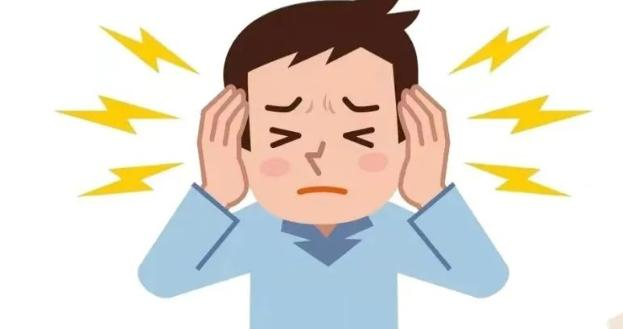
You’re sitting in a quiet room, or maybe lying in bed, and suddenly you hear it: a high-pitched ringing, buzzing, or humming sound. You look around — nothing. The sound isn’t coming from outside. It’s coming from inside your own head.
And it won’t stop.
This is tinnitus — the perception of sound when no external sound exists. It affects approximately 15–20% of people at some point in their lives, and for about 2–3%, it becomes a chronic, life-disrupting condition.
When it starts suddenly, it’s natural to panic. But here’s what you need to know: most cases of sudden tinnitus are not dangerous — and many resolve on their own. Understanding what’s happening is the first step to making it stop.
🔔 What Actually Causes Tinnitus?
Tinnitus isn’t a disease — it’s a symptom. Something else is causing your auditory system to malfunction, and the ringing is the result. Common causes include:
1. Noise Exposure (The #1 Cause)
Exposure to loud sounds — concerts, power tools, gunfire, headphones at high volume — damages the delicate hair cells in your inner ear. When these cells are damaged, they can send false signals to your brain, which interprets them as sound.
A single loud event can trigger tinnitus that lasts hours, days, or permanently. A 2020 study in JAMA Otolaryngology found that even recreational noise exposure (concerts, clubs, headphones) significantly increased tinnitus risk in young adults.
2. Earwax Blockage
Sometimes the cause is remarkably simple: earwax buildup pressing against the eardrum. This can change how your eardrum vibrates, triggering tinnitus. Removing the wax often resolves the ringing immediately.
3. Stress and Anxiety
There’s a strong connection between stress and tinnitus. Stress doesn’t directly cause tinnitus, but it can:
- Trigger tinnitus in someone predisposed to it
- Make existing tinnitus louder and more noticeable
- Create a vicious cycle: tinnitus → stress → louder tinnitus → more stress
A 2018 study in Frontiers in Neurology found that anxiety and depression were present in 45–60% of chronic tinnitus patients — often preceding the onset of tinnitus itself.
4. Medications
Certain medications are “ototoxic” (toxic to the ear). Common culprits:
- 💊 High doses of aspirin or NSAIDs
- 💊 Certain antibiotics (aminoglycosides)
- 💊 Some cancer medications
- 💊 Diuretics (loop diuretics)
- 💊 Quinine and chloroquine
Drug-induced tinnitus often resolves when the medication is stopped, but not always.
5. Age-Related Hearing Loss
As we age, the hair cells in our inner ear naturally deteriorate — a process called presbycusis. This typically begins around age 60 and often includes tinnitus as a symptom. Age-related tinnitus tends to be gradual, not sudden.
6. Underlying Health Conditions
- 🩸 High blood pressure or cardiovascular disease
- 🦷 Temporomandibular joint (TMJ) disorders — jaw problems can cause ear symptoms
- 🦴 Head or neck injuries — can damage auditory nerves or brain areas involved in hearing
- 🦠 Ear infections or sinus infections
- 🧠 Meniere’s disease — inner ear disorder causing tinnitus, vertigo, and hearing loss
- 🧠 Acoustic neuroma — a benign tumor on the auditory nerve (rare)
🚨 When Sudden Tinnitus Is a Medical Emergency
Most tinnitus isn’t an emergency. But seek immediate medical attention if:
- 🚨 Sudden hearing loss — if tinnitus is accompanied by sudden hearing loss in one or both ears, this is a medical emergency. Sudden sensorineural hearing loss (SSNHL) requires treatment within 48–72 hours for the best chance of recovery
- 🚨 Pulsatile tinnitus — if the ringing beats in time with your pulse (whoosh-whoosh sound), this can indicate vascular problems like an aneurysm or arteriovenous malformation
- 🚨 Accompanied by dizziness/vertigo — could indicate Meniere’s disease or other inner ear disorders
- 🚨 Head injury — tinnitus after head trauma needs evaluation
- 🚨 One ear only — unilateral tinnitus warrants investigation to rule out acoustic neuroma
✅ What You Can Do About It
Immediate Steps
- 🔇 Reduce noise exposure — give your ears a break. Avoid headphones, loud environments
- 🎵 Background sound — silence makes tinnitus worse. Use a fan, white noise machine, or soft music to mask the ringing
- 🧘 Reduce stress — stress amplifies tinnitus. Deep breathing, meditation, or a walk can help
- 💊 Review medications — check if any recent medication changes could be responsible
If It Persists Beyond a Few Days
- 🩺 See an audiologist or ENT — get a hearing test and ear examination
- 🦷 Check for earwax — simple removal can resolve tinnitus if wax is the cause
- 🩸 Check blood pressure — hypertension can cause or worsen tinnitus
For Chronic Tinnitus
- 🎵 Sound therapy — white noise machines, nature sounds, or tinnitus-masking apps
- 🧠 Cognitive behavioral therapy (CBT) — helps reframe the emotional response to tinnitus. A 2019 meta-analysis in JAMA Otolaryngology found CBT significantly reduced tinnitus distress
- 🎧 Hearing aids — if hearing loss is present, hearing aids often reduce tinnitus by amplifying external sounds
- 💊 Tinnitus retraining therapy (TRT) — combines sound therapy with counseling to habituate the brain to tinnitus
💡 The Mindset Shift That Matters Most
Here’s the paradox of tinnitus: the more you focus on it, the louder it seems. The auditory system is highly sensitive to attention. When you constantly monitor the ringing, your brain amplifies it.
The goal of treatment isn’t necessarily to eliminate the sound (though that sometimes happens). The goal is to reach a point where you don’t notice it most of the time — where it becomes background noise your brain filters out, like a refrigerator hum.
Most people with chronic tinnitus eventually reach this state. It doesn’t mean the sound is gone. It means your brain has stopped treating it as a threat.
This is called habituation — and it’s achievable for the vast majority of people.
The Bottom Line
Sudden ear ringing is unsettling. But in most cases, it’s temporary and harmless — a signal that something in your environment or body needs attention, not a sign of serious disease.
Give it a few days. Protect your ears from loud noise. Reduce stress. Use background sound to mask the ringing. And if it persists beyond a week, or is accompanied by hearing loss, dizziness, or pulsing quality — see a doctor.
Your ears are telling you something. Usually, that something is: “I need a break.”
The ringing is real.
The danger usually isn’t.
But your ears deserve to be heard.
Have you experienced sudden tinnitus? What triggered it? What helped it go away? Share below — your story might help someone else who’s lying awake right now, listening to the ringing. 💬