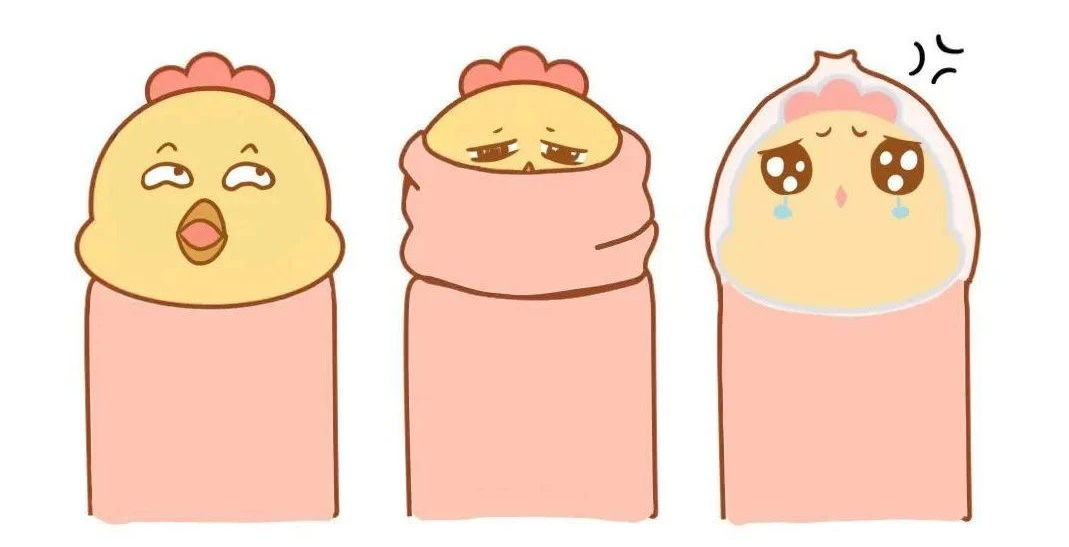
My Child Has a Long Foreskin — What Should I Do?
It’s a conversation most parents don’t expect to have.
Maybe you’ve noticed it during bath time. Maybe a pediatrician mentioned it casually. Or maybe your son came to you with a question about something “different” down there. However you discovered it, you’re now facing a question many parents wrestle with: My child has a long foreskin — is this normal? Does he need surgery? What should I do?
First, take a breath. This is one of the most common concerns parents bring to pediatricians and urologists. And in the vast majority of cases, the answer is reassuring: it’s completely normal, and it almost always resolves on its own.
But knowing when to wait, when to act, and when to see a specialist — that’s what matters. Let’s walk through this together.
🔍 What Does “Long Foreskin” Actually Mean?
The foreskin (prepuce) is a fold of skin that covers and protects the glans (head) of the penis. In newborns and young children, the foreskin is almost always “tight” and doesn’t retract. This is called physiologic phimosis — and it’s completely normal.
A “long” foreskin simply means the skin extends beyond the glans more than average. In most cases:
- ✅ The foreskin covers the entire glans and may extend past the tip
- ✅ The opening appears small, but urine flows normally
- ✅ There’s no pain, swelling, or redness
- ✅ The child has no difficulty urinating
This is typically a cosmetic variation, not a medical problem. A 2016 study in Pediatrics found that by age 3, only about 10% of boys can fully retract their foreskin. By age 6, that number rises to about 50%. By adolescence, fewer than 1% still have non-retractile foreskins.
📊 Normal Development Timeline
Here’s what the natural separation of the foreskin from the glans looks like:
- 👶 Newborns: 96% have non-retractile foreskin (normal)
- 👶 Age 1: ~50% can partially retract
- 👶 Age 3: ~10% can fully retract
- 👦 Age 6: ~50% can fully retract
- 👦 Age 10: ~80% can fully retract
- 🧑 Age 16–18: ~99% can fully retract
The process is gradual. The inner layer of the foreskin naturally separates from the glans over years, aided by erections, hormonal changes, and normal exploration. This is not something that needs to be forced.
⚠️ When There IS a Problem
While most long foreskins are harmless, some situations do require medical attention. Here’s when to be concerned:
Pathologic Phimosis (True Problem)
Unlike normal tightness, pathologic phimosis involves scarring or inflammation that prevents retraction. Signs include:
- 🚨 White, scarred appearance at the foreskin opening
- 🚨 Foreskin that balloons dramatically during urination
- 🚨 Pain when urinating or attempting to retract
- 🚨 Recurrent infections (balanitis)
- 🚨 Pain during erections (in older children/teens)
Balanitis (Inflammation of the Glans)
If the foreskin becomes red, swollen, and painful, your child may have balanitis — often caused by:
- 🦠 Poor hygiene (or over-aggressive cleaning)
- 🦠 Yeast infection (candida)
- 🦠 Bacterial infection
- 🦠 Irritant soaps or bubble baths
Paraphimosis (Medical Emergency)
If the foreskin is forcibly retracted and becomes stuck behind the glans, this is a medical emergency. The trapped foreskin acts like a rubber band, cutting off blood flow. Signs:
- 🚨 Swollen, painful glans
- 🚨 Discoloration (purple or blue)
- 🚨 Inability to return foreskin to normal position
Seek immediate medical attention — this can cause permanent damage if not treated quickly.
🧼 What Parents Should Do (and NOT Do)
DO:
- ✅ Leave it alone. The best approach is often no intervention. Let nature take its course.
- ✅ Teach gentle hygiene. Clean only the outside with warm water. No soap inside.
- ✅ Explain to your child. Let them know their body is normal and will change as they grow.
- ✅ Watch for problems. Look for redness, swelling, pain, or difficulty urinating.
DO NOT:
- ❌ Force retraction. This causes tearing, scarring, and makes the problem worse.
- ❌ Retract and clean under the foreskin in babies/toddlers. It’s not necessary and can cause harm.
- ❌ Use harsh soaps or scrub. The area is sensitive and needs gentle care.
- ❌ Panic. A long foreskin is almost never an emergency.
💊 Treatment Options — If Needed
Most children will never need treatment. But if problems develop, here are the options:
1. Topical Steroid Cream
For persistent phimosis in older children (typically 4+ years), a prescription steroid cream (betamethasone 0.05%) applied to the foreskin opening for 6–8 weeks can help the skin stretch and separate. Success rates are 70–90% in studies.
2. Gentle Stretching Exercises
After age 5–7 (or as directed by a doctor), gentle stretching exercises combined with steroid cream can help. These should only be done under medical guidance.
3. Circumcision (Surgery)
Full circumcision is rarely medically necessary. It may be considered if:
- 🔁 Pathologic phimosis persists after steroid treatment
- 🔁 Recurrent balanitis infections keep happening
- 🔁 There are significant urinary problems
- 🔁 The child experiences pain during erections (teens)
4. Preputioplasty (Less Invasive Surgery)
A small incision in the foreskin that widens the opening without removing it. Preserves the foreskin while solving the problem. Less common in the US but widely used in Europe.
📆 When to See a Doctor
Make an appointment with your pediatrician or a pediatric urologist if:
- 📅 Your child has pain during urination
- 📅 The foreskin balloons significantly when urinating
- 📅 There’s redness, swelling, or discharge
- 📅 Your child complains of discomfort or pain
- 📅 The foreskin appears white or scarred
- 📅 There’s a family history of foreskin problems
- 📅 You’re considering circumcision and want a professional opinion
And seek immediate care if:
- 🚨 You cannot return a retracted foreskin to its normal position (paraphimosis)
- 🚨 The penis is severely swollen, discolored, or painful
💡 The Bottom Line
Here’s what I want you to take away: A long foreskin in a child is almost always normal. It’s not a disease. It’s not an emergency. And in the vast majority of cases, it will resolve naturally as your child grows.
Your job as a parent is simple:
- ✅ Leave it alone unless there’s a problem
- ✅ Teach gentle external hygiene
- ✅ Watch for signs that need medical attention
- ✅ Reassure your child that their body is normal
The foreskin will do the rest on its own timeline. Trust the process. And if you’re ever unsure, ask your pediatrician — that’s what they’re there for.
A long foreskin is usually just a long foreskin.
Not a problem. Not an emergency. Just patience.
Have you dealt with this concern with your child? What helped you feel more at ease? Share below — your story might help another parent who’s worrying right now. 💬