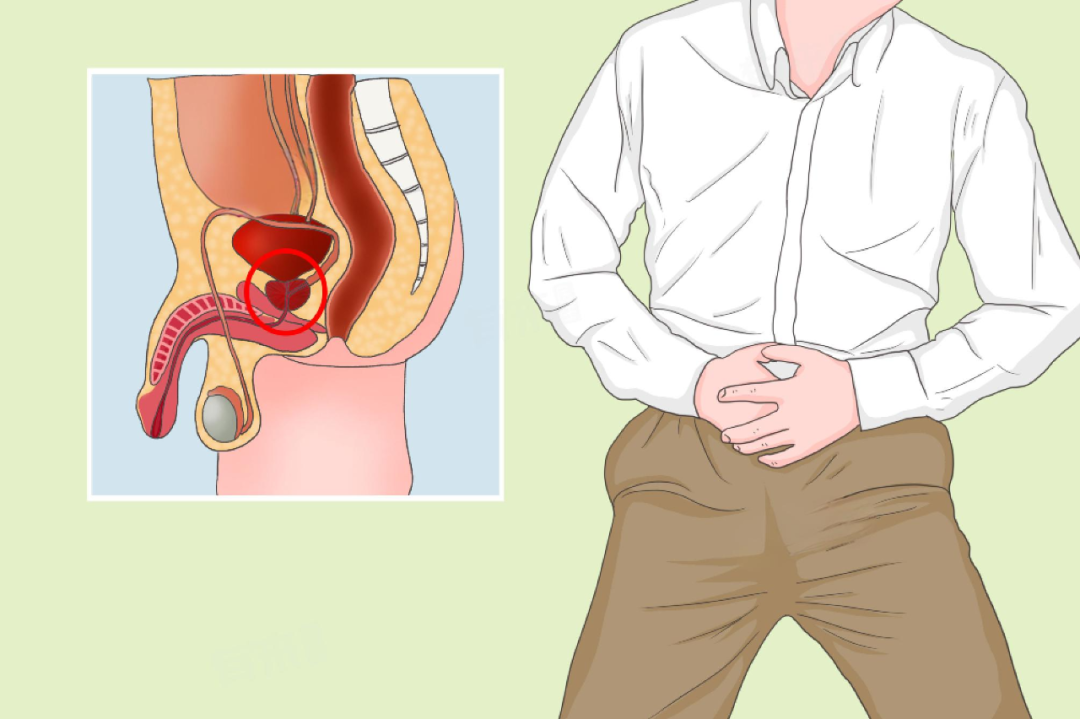
Frequent Urination at Night? Your Prostate May Be Asking for Help
It starts small.
You notice you’re making one extra trip to the bathroom at night. Then two. Then three. You’re not even drinking that much before bed — it just feels like your bladder has a mind of its own.
Or maybe it’s the opposite: you go to the bathroom and nothing happens. Or it starts and stops. Or it burns. Or you feel like you have to go again five minutes later.
If you’re a man over 40 and any of this sounds familiar, there’s a very good chance your prostate is involved.
Most men don’t think about their prostate until it becomes a problem. But here’s the thing: prostate issues are remarkably common, treatable, and — most importantly — your body has been sending you signals long before the symptoms became obvious.
Let’s talk about what your urinary symptoms might actually be telling you.
🔍 What Is the Prostate — And Why Does It Cause So Many Problems?
The prostate is a walnut-sized gland that sits just below the bladder, wrapped around the urethra — the tube that carries urine out of your body. It’s part of the male reproductive system, producing the fluid that carries sperm during ejaculation.
Here’s why it causes urinary problems: when the prostate enlarges (which it does naturally with age), it presses directly on the urethra and bladder neck. This creates:
- 🚽 Urinary frequency — feeling like you need to go more often, especially at night
- ⏱️ Urgency — sudden, intense urge to urinate that can be hard to control
- ⏸️ Hesitancy — difficulty starting urination, even when you really need to go
- 🔄 Weak or intermittent stream — urine flow that stops and starts
- 💧 Incomplete emptying — feeling like your bladder isn’t fully empty after going
- 🌙 Nocturia — waking multiple times at night to urinate (the #1 symptom men report)
The medical term for prostate enlargement is Benign Prostatic Hyperplasia (BPH). It affects approximately 50% of men by age 60 and over 90% of men by age 85. It’s not cancer. But it can dramatically affect quality of life.
🚨 The Warning Signs: When to Take It Seriously
Not all urinary symptoms mean prostate cancer — but some do. Here’s how to distinguish between common prostate enlargement (BPH) and symptoms that deserve immediate medical attention:
Common BPH Symptoms (Non-Cancerous)
- ✅ Gradual onset over months or years
- ✅ Symptoms fluctuate (better and worse days)
- ✅ Both stream and urgency affected
- ✅ Nocturia (waking at night to urinate)
- ✅ Dribbling at the end of urination
Red Flag Symptoms (See a Doctor Immediately)
- 🚨 Blood in urine — never normal, always requires investigation
- 🚨 Painful urination — could indicate infection or other condition
- 🚨 Complete inability to urinate (urinary retention) — emergency
- 🚨 Rapid onset of symptoms — happened suddenly, not gradually
- 🚨 Persistent pain in lower back, hips, or pelvis
- 🚨 Unexplained weight loss alongside urinary symptoms
Prostate cancer is the most common cancer in American men (excluding skin cancer), with over 299,000 new diagnoses per year. Early-stage prostate cancer often has NO symptoms — which is why screening matters. But changes in urinary patterns, especially when new and persistent, should always be checked.
🧬 Prostate Enlargement: What’s Actually Happening
BPH isn’t fully understood, but we know it’s driven by a combination of factors:
1. Hormonal Changes
As men age, testosterone declines while estrogen (produced from testosterone by aromatase enzyme) levels remain relatively stable. This relative increase in estrogen stimulates prostate growth. Additionally, dihydrotestosterone (DHT) — a more potent derivative of testosterone — accumulates in the prostate and drives cellular proliferation.
2. Chronic Inflammation
A 2015 study in Nature Reviews Urology found that chronic inflammation is present in the prostates of nearly all men with BPH. Inflammatory cytokines (IL-1, IL-8, TNF-alpha) drive prostate cell growth independently of hormones.
3. Metabolic Syndrome
Men with obesity, type 2 diabetes, and elevated triglycerides have significantly higher rates of BPH. Insulin and growth factors appear to stimulate prostate growth directly.
💊 What Actually Works: Medical and Lifestyle Approaches
Medications (First-Line Prescription Options)
- Alpha-blockers (tamsulosin, terazosin, doxazosin) — relax smooth muscle in the prostate and bladder neck, making urination easier. Work within days to weeks. Side effects: dizziness, orthostatic hypotension, retrograde ejaculation
- 5-alpha reductase inhibitors (finasteride, dutasteride) — block the conversion of testosterone to DHT, shrinking the prostate over 6–12 months. Side effects: reduced libido, erectile dysfunction, breast enlargement
- Combination therapy — alpha-blocker + 5-ARI is often more effective than either alone for larger prostates
Lifestyle Interventions (Backed by Research)
Here’s what the evidence shows actually helps:
- 🥬 Eat more plants — A 2018 meta-analysis in JAMA Urology found that men with the highest vegetable intake had significantly lower BPH risk. Cruciferous vegetables (broccoli, cauliflower, kale) are especially protective — they contain sulforaphane and indole-3-carbinol, compounds that support prostate health
- 🍅 Lycopene matters — cooked tomatoes (lycopene is more bioavailable when heated) are associated with lower BPH risk. A 2015 study in Urology found that men with higher lycopene intake had significantly lower PSA levels
- 🏃 Exercise regularly — men who exercise 3+ hours per week have significantly lower BPH rates and lower PSA levels. Exercise reduces estrogen, lowers inflammation, and improves insulin sensitivity
- 💧 Manage fluid intake timing — drink most of your water in the morning and early afternoon. Reduce intake 2–3 hours before bed to minimize nocturia
- ☕ Limit bladder irritants — caffeine, alcohol, spicy foods, and artificial sweeteners can all worsen urinary urgency and frequency
- 🧘 Kegel exercises — strengthening the pelvic floor can improve urinary control. Yes, men can do Kegels too — identify the muscles by stopping urination mid-stream, then practice squeezing and holding
🩺 The Tests You Should Get
If you’re experiencing urinary symptoms, here are the tests you should discuss with your doctor:
- 🩸 PSA (Prostate-Specific Antigen) — elevated PSA can indicate BPH, prostatitis, or prostate cancer. Discuss your number with your doctor in context of age and risk factors
- 🔍 Digital Rectal Exam (DRE) — a physician palpates the prostate through the rectal wall to assess size and texture. Takes 10 seconds, uncomfortable but important
- 📊 Urinalysis — rules out infection, blood, and other urinary abnormalities
- 📈 Post-void residual — measures how much urine remains in your bladder after going (via ultrasound). High residual suggests obstruction
- 📊 IPSS (International Prostate Symptom Score) — a standardized questionnaire that categorizes symptom severity
- 🖥️ Prostate ultrasound or MRI — for persistent or complex symptoms
💡 A Word on Screening
The US Preventive Services Task Force (USPSTF) recommends that men aged 55–69 make an individual decision about PSA screening after discussing risks and benefits with their doctor.
Men with higher-risk factors should start screening earlier:
- 🧬 Family history of prostate cancer (especially first-degree relatives)
- 🧬 African American men (prostate cancer rates are 1.5x higher)
- 🧬 Known BRCA1 or BRCA2 gene mutations
Early detection saves lives. The 5-year survival rate for prostate cancer caught at stage I or II is nearly 100%. At stage IV, it’s approximately 30%.
✅ Your Action Plan
- ✅ Know your symptoms — frequent nighttime urination, urgency, weak stream, incomplete emptying
- ✅ Don’t ignore blood or pain — these are red flags that require immediate attention
- ✅ Get baseline PSA tested — especially if you’re over 45, or earlier if high-risk
- ✅ Eat like your prostate depends on it — because it does. More plants, more lycopene, less processed food
- ✅ Move your body — 3+ hours per week of exercise is protective
- ✅ Limit bladder irritants — caffeine, alcohol, spicy food, especially in the evening
- ✅ Talk to your doctor — before things get worse. BPH doesn’t resolve on its own
Your prostate has been working for you since puberty. It produces the fluid that carries your sperm. It’s part of your reproductive system, your urinary system, and your hormonal balance.
When it starts to change, your body tells you. The question is whether you’re listening.
Don’t wait for a crisis. See a doctor. Get tested. And start treating your prostate like the important gland it actually is.
Frequent urination is not “just aging.”
It’s your body asking for attention.
Experiencing prostate or urinary symptoms? What have you tried? Share in the comments — and please share this with any man who might need to hear it. 💬