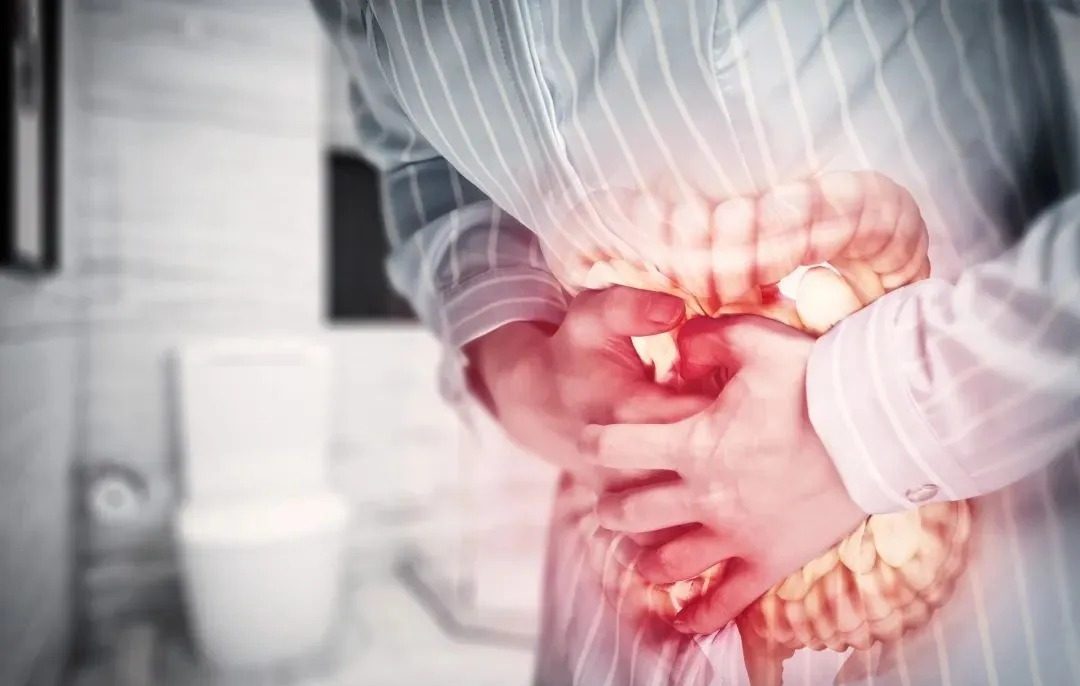
Can Chronic Constipation Really Cause Premature Ejaculation? The Surprising Connection
You’d be forgiven for thinking these two things have nothing to do with each other.
Constipation: your gut. Premature ejaculation: your genitals. Different systems, different problems, different parts of the body. Right?
Except… the human body doesn’t work in neat, isolated compartments. Every system is connected to every other system — through the nervous system, the hormonal system, the immune system, and the fascia that wraps everything together.
And when it comes to constipation and sexual function, the connection is real, documented, and more significant than most people realize.
Here’s the science of how what’s happening in your gut might be affecting what’s happening in the bedroom.
🧘 The Pelvic Floor: One System, Two Functions
Let’s start with the anatomy lesson nobody asked for but everyone needs.
Your pelvic floor is a single sheet of muscles, ligaments, and fascia that forms the bottom of your pelvis. It serves multiple functions simultaneously:
- 🚽 Continence — holds urine and feces in (or lets them out, when appropriate)
- 💪 Core stability — supports your spine and internal organs
- ⚡ Sexual function — controls erections and ejaculation through the pudendal nerve
Here’s the critical point: the same muscles, nerves, and fascia that control bowel movements are involved in sexual performance. They’re not separate systems — they’re overlapping systems.
When chronic constipation causes you to strain repeatedly, you’re doing something that has a direct effect on the pelvic floor:
- 💨 Straining creates excessive intra-abdominal pressure — this pushes down on the pelvic floor, stretching and weakening the levator ani and other key muscles
- 🧬 Chronic straining causes pelvic floor dysfunction — muscles become hypertonic (too tight) or hypotonic (too weak) — both of which impair sexual function
- 🦴 Fascial restrictions develop — the connective tissue that wraps around nerves and blood vessels becomes restricted, affecting nerve signaling and blood flow to the genital region
A 2020 study in the Journal of Sexual Medicine found that men with chronic constipation had significantly lower scores on the International Index of Erectile Function (IIEF) compared to men without bowel issues — independent of age, BMI, and other confounding factors.
🧠 The Gut-Brain Axis: Your Second Brain Is Talking
The gut and the brain communicate constantly through what’s called the gut-brain axis — a bidirectional communication network involving the vagus nerve, the enteric nervous system, and biochemical signaling.
Here’s how gut dysfunction affects sexual performance through this pathway:
1. Serotonin Production
The gut produces approximately 90% of the body’s serotonin — the neurotransmitter that regulates mood, anxiety, and (crucially for this topic) the ejaculatory reflex. Serotonin raises the threshold for ejaculation — higher serotonin = more control.
When the gut is inflamed or dysfunctional (as in chronic constipation), serotonin production is disrupted. Lower serotonin → lower ejaculatory threshold → finishing faster.
2. Chronic Inflammation
Chronic constipation is a state of low-grade intestinal inflammation. This inflammation releases cytokines and other inflammatory molecules that cross the gut-brain barrier and affect the central nervous system.
Elevated inflammatory markers (IL-6, TNF-alpha, CRP) are consistently associated with both erectile dysfunction and premature ejaculation in peer-reviewed literature. Inflammation disrupts nitric oxide production, impairs endothelial function, and affects neurotransmitter signaling.
3. Autonomic Nervous System Imbalance
The autonomic nervous system (ANS) has two branches:
- 🟢 Parasympathetic (“rest and digest”) — promotes erection, slows heart rate, aids digestion
- 🔴 Sympathetic (“fight or flight”) — promotes ejaculation, accelerates heart rate, shuts down digestion
Chronic constipation is a parasympathetic-dominant state — the “rest and digest” system is always working. But here’s the problem: if the parasympathetic system is constantly activated by gut activity, it can become desensitized — and when it’s time for sex (which requires parasympathetic activation for erection), the system doesn’t respond as well.
Meanwhile, the sympathetic system (which triggers ejaculation) becomes relatively dominant. The result: erections are harder to maintain, and ejaculation comes more easily.
🔥 The Inflammation Connection
Let’s zoom in on inflammation — because it’s the common thread running through nearly every modern health problem, including this one.
Chronic constipation isn’t just uncomfortable. It’s a state of systemic inflammation that affects every organ system, including the sexual organs.
Here’s the mechanism:
- Constipation → stool sits in the colon longer than it should
- Stool fermenting in the colon → overgrowth of harmful bacteria (dysbiosis)
- Dysbiosis → increased intestinal permeability (“leaky gut”)
- Leaky gut → bacterial toxins (endotoxins/LPS) enter the bloodstream
- Systemic inflammation → endothelial dysfunction in penile blood vessels
- Endothelial dysfunction → impaired nitric oxide production → weaker erections
A 2017 study in Urology found that men with chronic constipation had significantly elevated CRP (C-reactive protein, a marker of inflammation) and significantly lower IIEF scores compared to controls. The inflammation wasn’t just in the gut — it was affecting their entire cardiovascular system, including the penile arteries.
🔗 The Prostate Connection
Here’s another pathway that connects constipation and sexual dysfunction: the prostate.
The prostate sits directly in front of the rectum. When stool accumulates in the rectum and sigmoid colon, it can press directly against the prostate — creating mechanical pressure, disrupting blood flow, and irritating the gland.
Prostatic congestion from chronic constipation can cause:
- ⚡ Prostatitis — inflammation of the prostate, strongly associated with premature ejaculation
- 🔄 Prostate sensitivity — making orgasm and ejaculation easier to trigger
- 🩸 Vascular congestion — blood pooling in the pelvic region, making erections less firm
A 2018 study in the Journal of Clinical Gastroenterology found that treating chronic constipation in men with concurrent prostatitis symptoms led to significant improvement in urinary symptoms, pelvic pain, AND sexual function scores — in just 4 weeks of treatment.
✅ The Solution: Fix the Gut, Improve the Sex
Here’s the empowering part: unlike genetic causes of sexual dysfunction, gut-related factors are largely modifiable. You can do something about this.
1. Optimize Your Fiber Intake
Fiber is the #1 factor in bowel regularity. The recommended intake is 25–35g per day — most Americans get less than 15g. Sources:
- 🥬 Vegetables (especially leafy greens)
- 🌾 Whole grains (oats, quinoa, brown rice)
- 🫘 Legumes (beans, lentils, chickpeas)
- 🥜 Seeds (chia, flax, pumpkin)
- 🍎 Fruit with skin (apples, pears, berries)
2. Hydrate Aggressively
Dehydration is one of the most common causes of constipation. Aim for at least 2–2.5 liters of water daily, more if you’re active or in a hot climate.
3. Support Your Microbiome
- 🥬 Probiotic foods — yogurt, kefir, kimchi, sauerkraut, miso
- 🌾 Prebiotic foods — garlic, onion, asparagus, banana, oats
- 🚫 Reduce inflammatory foods — processed foods, refined sugar, seed oils
4. Pelvic Floor Exercises
Strengthening the pelvic floor addresses both constipation (better bowel control) and sexual function (better ejaculatory control). The two aren’t competing goals — they’re the same solution.
5. Don’t Strain
Train yourself to have a bowel movement without straining. This means:
- 🧎 Using a squatty potty or footstool to elevate your feet (this straightens the recto-anal angle)
- ⏰ Not sitting for extended periods — go when you feel the urge
- 🧘 Giving yourself time — don’t rush
💡 The Bigger Picture
Here’s the reframe that changes everything: your sexual function is not isolated from the rest of your body.
Every system is connected. Your gut health affects your brain. Your inflammation affects your blood vessels. Your pelvic floor muscles serve both your bladder and your erection. Your posture affects your stress levels, which affects your hormones, which affects everything.
The men who fix their sexual dysfunction aren’t just the ones who take pills or supplements. They’re the ones who look at their entire lifestyle — their diet, their stress, their gut health, their movement patterns — and make changes that address the root cause.
So if you’ve been struggling with premature ejaculation (or erectile issues) and nothing seems to work — maybe it’s time to look downstream. Maybe it’s not your genitals that need fixing. Maybe it’s your gut.
It’s not the connection anyone expects. But in medicine, the unexpected connections are often the ones that actually matter.
Your gut is not separate from your genitals.
Fix one, and you might fix both.
Have you noticed a connection between your digestive health and sexual function? Did fixing your gut help anything else? Share below — this is one of those connections more people need to hear about. 💬