Can Your Lungs Actually Recover After Quitting Smoking? The Full Science-Backed Timeline
You’ve been smoking for 5 years. Or 10. Or 30. And you’re wondering: is it even worth quitting at this point? Is the damage already done?
It’s one of the most common questions smokers ask — and one of the most misunderstood. The short answer is: yes, your lungs can recover — dramatically. But the full answer is more nuanced than a simple yes or no.
Some lung damage is reversible. Some isn’t. And the timeline depends on how long you smoked, how heavily, and your individual biology. But here’s what the science says unequivocally: quitting at any age improves your lung function and extends your life.
Let’s walk through exactly what happens — hour by hour, month by month, year by year — after your last cigarette.
💨 What Smoking Actually Does to Your Lungs

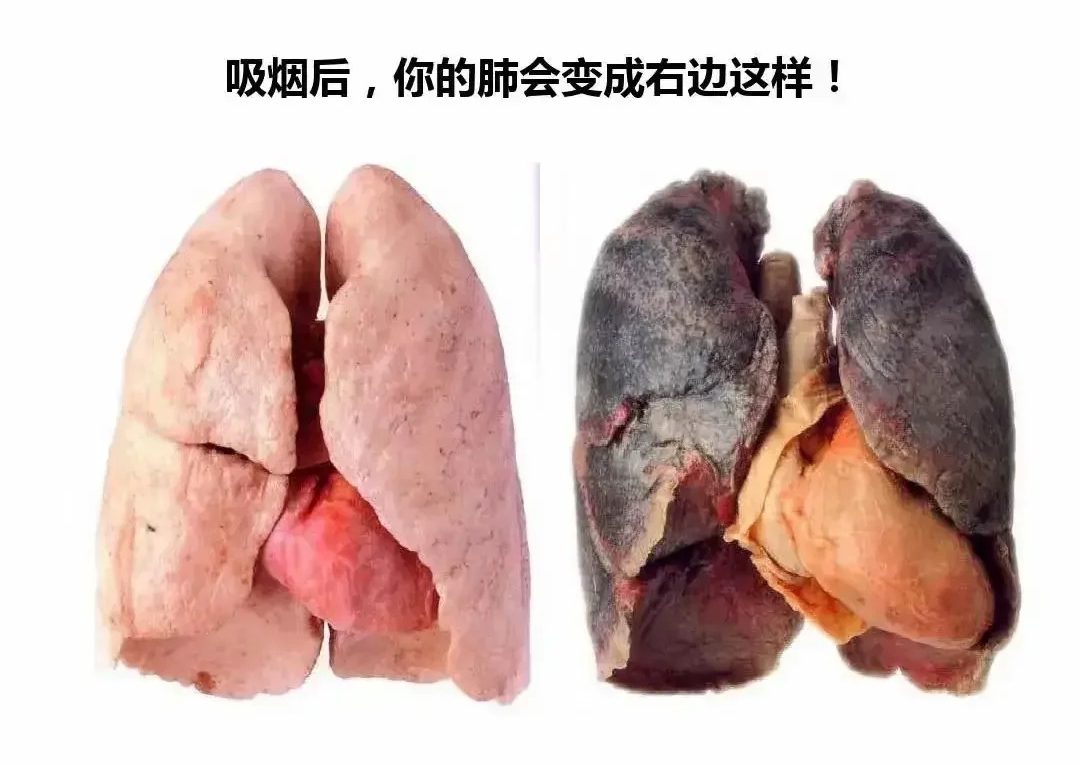
Before we talk about recovery, let’s understand the damage. Cigarette smoke contains over 7,000 chemicals, including at least 69 known carcinogens. When you inhale, this chemical cocktail attacks your lungs in multiple ways simultaneously:
1. Destroying Cilia
Your airways are lined with tiny hair-like structures called cilia that sweep mucus, dust, and bacteria out of your lungs. Smoking paralyzes and destroys these cilia. Without them, toxins and mucus accumulate — which is why smokers develop that deep, persistent “smoker’s cough.”
2. Inflaming and Scararring Airways
Chronic inflammation from smoke damages the walls of your bronchial tubes. Over time, this inflammation causes fibrosis (scar tissue) — permanent structural damage that narrows the airways and reduces airflow.
3. Destroying Alveoli
The alveoli are tiny air sacs where oxygen enters your blood. Smoking destroys the walls between alveoli, merging them into larger, less efficient sacs. This is the core process of emphysema — and it is irreversible. Once alveolar walls are destroyed, they do not grow back.
4. Accelerating Decline
Everyone’s lung function naturally declines with age — your FEV1 (forced expiratory volume in 1 second) drops about 20–30 mL per year after age 25. Smoking triples this rate of decline to about 60–90 mL per year. Over 20 years, that’s the difference between healthy lungs at 65 and being unable to walk up a flight of stairs.
⏱️ The Recovery Timeline: What Happens When You Quit
Here’s the remarkable part: your body begins repairing itself within 20 minutes of your last cigarette.
| Time After Quitting | What Happens |
|---|---|
| 20 minutes | Heart rate and blood pressure begin to normalize |
| 8–12 hours | Carbon monoxide levels in blood return to normal. Oxygen levels improve significantly |
| 24–48 hours | Nerve endings begin regenerating. Sense of smell and taste start improving |
| 72 hours | Bronchial tubes begin relaxing. Breathing becomes easier. Lung capacity starts to improve |
| 1–2 weeks | Circulation improves. Lung function increases by ~5%. The “smoker’s cough” may temporarily worsen as cilia reactivate and begin clearing accumulated mucus |
| 1–3 months | Cilia regrow and resume normal function. Lung capacity improves by 10–15%. Walking and exercise feel noticeably easier |
| 1 year | Risk of coronary heart disease is 50% of a smoker’s. Lung function continues to improve |
| 5 years | Risk of stroke is reduced to that of a non-smoker. Risk of mouth, throat, and esophageal cancer is cut in half |
| 10 years | Risk of lung cancer is 50% of a continuing smoker’s. Risk of other smoking-related cancers continues to decline |
| 15 years | Risk of coronary heart disease equals that of a non-smoker |
🔬 What Recovers and What Doesn’t

This is where nuance matters. Not all lung damage is created equal:
✅ What DOES Recover
- Cilia function — cilia regrow and resume clearing mucus within 1–3 months. This is why many quitters experience a temporary increase in coughing — it’s actually a sign of recovery, not illness
- Inflammation — airway inflammation significantly reduces within months. Swollen, irritated bronchial tubes begin to heal
- Rate of lung function decline — this is the most important finding: after quitting, the annual rate of FEV1 decline returns to the normal, non-smoker rate of ~20–30 mL per year. A landmark 1992 study in the Journal of the American Medical Association (JAMA) — the Lung Health Study — demonstrated this definitively
- Immune function in the lungs — macrophages (immune cells in the lungs) recover their ability to fight infection
- Circulation and oxygen delivery — carbon monoxide is eliminated, oxygen transport normalizes
❌ What DOESN’T Fully Recover
- Destroyed alveoli — emphysema damage is permanent. Once alveolar walls are destroyed, they cannot regenerate. However, quitting stops further destruction
- Fibrosis (scar tissue) — permanent structural changes to airway walls don’t reverse
- Genetic damage — while cancer risk drops dramatically, some genetic mutations from smoking persist. The risk never quite reaches zero for former smokers, though it comes close after 15+ years
- Lost lung capacity — you won’t regain the absolute lung volume you had before smoking, but you will stop losing it at an accelerated rate
The key insight: Quitting doesn’t give you back the lungs you had at 18. But it stops the accelerated decline and allows significant functional improvement. Think of it like a car — you can’t undo the miles, but you can stop the engine from deteriorating further.
📊 The Data: How Much Improvement Can You Expect?
The Lung Health Study — one of the largest and longest studies ever conducted on smoking cessation — followed 5,887 smokers for 11 years. Key findings:
- 📉 Continuing smokers lost an average of 66 mL of FEV1 per year
- 📈 Successful quitters showed an initial improvement in FEV1 during the first year, then declined at the normal rate of 25–30 mL per year
- 📊 Over the 11-year study, quitters retained significantly more lung function than continuing smokers — enough to mean the difference between independent living and oxygen dependency in old age
Another finding: the earlier you quit, the more you preserve. A 2013 analysis in the New England Journal of Medicine found:
- Quitting by age 40 → reduces excess mortality by 90%
- Quitting by age 50 → reduces excess mortality by 60%
- Quitting by age 60 → still reduces excess mortality by 40%
- Even quitting at age 80 → provides measurable benefit
It is never too late. Never.
🏃 How to Maximize Lung Recovery

Quitting is the single most important thing you can do. But you can accelerate and maximize recovery with these strategies:
1. Cardiovascular Exercise
Aerobic exercise — walking, jogging, swimming, cycling — is the #1 most effective way to improve lung function after quitting. A 2019 study in Nutrients found that former smokers who exercised regularly had significantly better lung function recovery than sedentary quitters.
Start with 20–30 minutes of walking daily. Build up gradually. Your lungs will thank you.
2. Breathing Exercises
- Diaphragmatic breathing — breathe deeply into your belly, not your chest. 5–10 minutes daily
- Pursed-lip breathing — inhale through the nose (2 counts), exhale through pursed lips (4 counts). Helps keep airways open
- Incentive spirometry — a device that trains deep breathing (often used post-surgery)
3. Hydration
Staying well-hydrated keeps mucus thin and easier to clear — especially important during the first few months when cilia are reactivating and clearing years of accumulated tar.
4. Anti-Inflammatory Nutrition
- 🐟 Omega-3 fatty acids (salmon, sardines) — reduce airway inflammation
- 🍊 Vitamin C (citrus, bell peppers) — smokers are chronically deficient; replenishing supports lung tissue repair
- 🫚 Ginger and turmeric — natural anti-inflammatories
- 🥬 Leafy greens — support immune recovery in lung tissue
5. Avoid Secondhand Smoke and Air Pollution
Your recovering lungs are more vulnerable. Avoid smoky environments, use air purifiers indoors, and check air quality before outdoor exercise.
💡 The Bottom Line
Can your lungs recover after quitting smoking?
Yes — more than most people realize. But it depends on what “recover” means to you:
- ✅ Function — yes, dramatically. Cilia regrow, inflammation subsides, breathing improves, and the rate of decline returns to normal
- ✅ Cancer risk — yes, significantly. Lung cancer risk drops by 50% within 10 years
- ✅ Life expectancy — yes, substantially. Quitting at 40 adds an average of 10 years to your life
- ❌ Structural emphysema damage — no. Destroyed alveoli don’t regenerate. But quitting stops further destruction
The most important finding from all the research: your lungs start healing the moment you quit — and they continue improving for years. The benefits are measurable within hours and life-changing within months.
Every cigarette you don’t smoke is a gift to your lungs. And it’s never too late to start giving them that gift.
Your lungs don’t care how long you smoked.
They care that you stopped.
Have you quit smoking? When did you notice your breathing improve? Share your timeline in the comments — your story could be the reason someone else finally quits. 💬