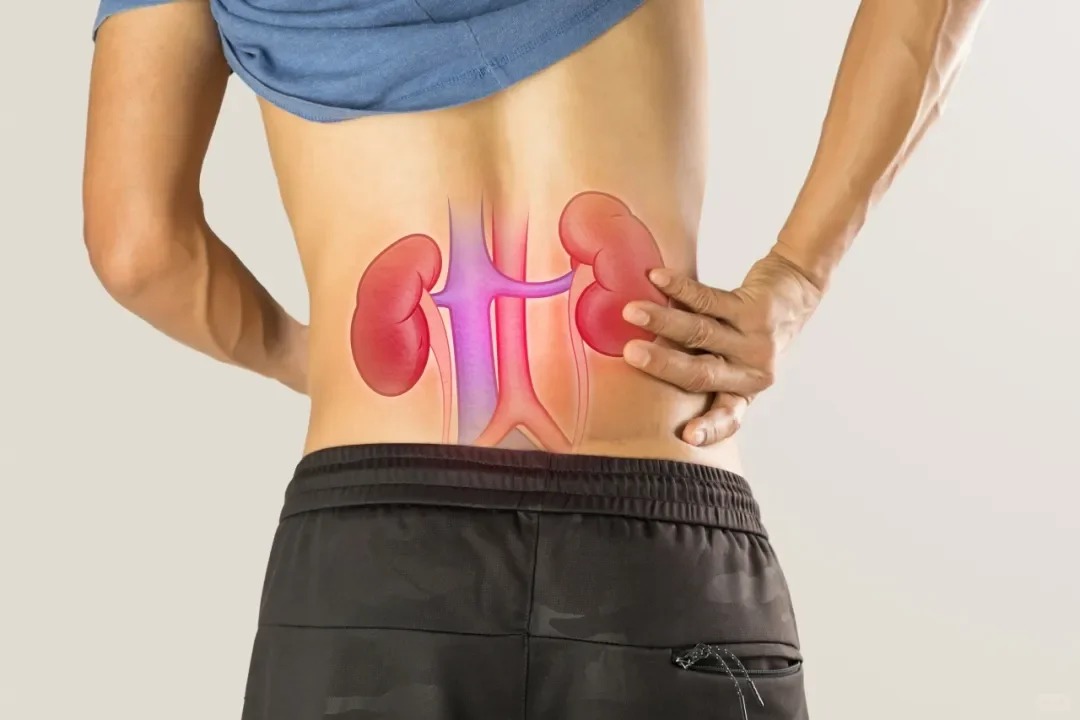
Is Male Sexual Dysfunction Really a ‘Kidney’ Problem?

Every guy has heard it. Maybe from an uncle at a family dinner. Maybe from a TCM practitioner. Maybe from that one guy at the gym who swears by his herbal kidney supplements.
“You know what your problem is? Your kidneys are weak.”
In Chinese culture especially, the connection between kidney health and male sexual performance is considered almost obvious common knowledge. The concept of “kidney essence” (肾精) and its direct link to sexual vitality runs deep in traditional Eastern medicine — and millions of men have quietly accepted this as truth without ever questioning it.
But here’s the uncomfortable question: is it actually true?
As a guy who spent years quietly worrying about this exact thing, I did what Americans do when cultural wisdom meets personal anxiety: I went looking for the actual science.
🫘 The Myth That Won’t Die: “Weak Kidneys = Weak Performance”

Let’s start with the most important thing to understand: erectile function has almost nothing to do with kidney function in the way most people think.
The kidneys’ primary jobs are filtering blood, removing waste, regulating fluid balance, controlling blood pressure, and producing certain hormones (including erythropoietin, which stimulates red blood cell production). They are not, in any direct anatomical sense, responsible for your ability to get or maintain an erection.
This is not a minor misunderstanding. It’s a fundamental category error — like thinking your car’s engine problems are caused by your garage door opener.
The organ responsible for erections is the penis — specifically, its vascular system, nerve supply, and the smooth muscle tissue of the corpora cavernosa. The brain and endocrine system also play critical roles. But the kidneys? They filter your blood. That’s their job. They don’t manufacture erections.
“The idea that kidney weakness causes erectile dysfunction is a TCM concept that doesn’t map onto modern anatomical understanding. They are two completely different organ systems.”
— Dr. Michael Eisenberg, Director of Male Sexual Medicine, Stanford University
💉 Where TCM and Western Medicine Actually Agree (Sort Of)

Now — before anyone accuses me of throwing the baby out with the bathwater, let me be fair to the traditional medicine perspective. There’s a grain of truth here, and it’s worth understanding.
In Traditional Chinese Medicine, “kidney” (肾) is not exclusively the anatomical kidney. It describes an entire functional system — what TCM practitioners call Shen — that encompasses the adrenal glands, the endocrine system, the urinary system, and what Western medicine might call “vital energy” or constitutional robustness.
TCM practitioners who treat “kidney deficiency” as a cause of sexual dysfunction are often actually treating:
- 🧠 Low testosterone (adrenal insufficiency, hypogonadism)
- 🔄 Chronic fatigue (HPA axis dysfunction, burnout)
- 🩸 Poor circulation (vascular insufficiency)
- 😰 Chronic stress (elevated cortisol, which tank testosterone)
So when a TCM practitioner says your kidneys are “weak” and your performance is suffering — they may be describing real symptoms, just using a different conceptual framework. The symptom cluster they’re treating is real. The kidney-anatomy explanation is where things go off the rails.
🩸 The Real Anatomy of an Erection (What Actually Matters)

Here’s what actually has to happen for you to get an erection — in plain, non-technical English:
- Your brain (or a physical sensation) triggers sexual arousal
- Your nervous system releases nitric oxide (NO) — the key signaling molecule
- Nitric oxide tells the smooth muscles of the penile arteries to relax
- Blood rushes in, filling spongy tissue called the corpora cavernosa
- The expanded tissue compresses veins, trapping blood → erection is maintained
- When the signal stops, muscles contract, blood flows out → erection ends
Every step in this chain depends on vascular health, nerve function, and hormone balance. None of it requires the kidneys to do anything special.
Now here’s where it gets interesting: if your kidneys are severely damaged (end-stage renal disease), they CAN indirectly affect sexual function. But this is a far cry from “weak kidneys causing weak erections.” This is:
- 🔴 End-stage kidney failure — not weak kidneys, not tired kidneys, not “deficient” kidneys
- 🔴 Severe uremia (toxin buildup from kidney failure) — damages blood vessels and nerves systemically
- 🔴 Hormonal disruption from chronic kidney disease — affects testosterone and pituitary function
We’re talking about a dialysis patient, not a guy who thinks he has “kidney deficiency” because he had a long week.
⚠️ When Kidney Issues ACTUALLY Affect Sexual Function
To be completely transparent: there ARE legitimate connections between kidney health and sexual performance. But they’re narrow and specific:
- 🚨 End-stage renal disease (ESRD) — men on dialysis have extremely high rates of ED (up to 80%) due to vascular damage, hormonal disruption, medication effects, and psychological factors
- 🚨 Kidney transplant recipients — sexual function often improves significantly after a successful transplant, as kidney function normalizes
- 🚨 Certain blood pressure medications — some antihypertensives (especially beta-blockers and diuretics) cause ED as a side effect. This is often misattributed to “kidney weakness”
- 🚨 Diabetes + kidney disease — diabetic nephropathy damages both large and small blood vessels, including those in the penis
If you have diagnosed kidney disease and are experiencing sexual dysfunction — yes, there is a real connection. Talk to your urologist and nephrologist. But for the vast majority of men worried about this, the kidneys are not the culprit.
✅ So What Actually Causes “Kidney-Associated” Weakness?

If your TCM practitioner or gym buddy tells you your kidneys are causing your sexual performance issues, what they’re actually seeing is likely one of these:
- 😤 Chronic stress and cortisol overload — this is the #1 cause of low libido and performance issues in young men. Cortisol directly suppresses testosterone production and erection-sustaining nitric oxide
- 😴 Sleep deprivation — poor sleep tanks testosterone by up to 30% in a single week
- 🏋️ Overtraining — excessive exercise without adequate recovery raises cortisol and lowers testosterone
- 🍔 Poor diet — processed foods, excess sugar, and seed oils drive inflammation and endothelial dysfunction (the #1 vascular cause of ED)
- 🍺 Alcohol — central nervous system depressant; disrupts every step of the erection cascade
- 🚬 Smoking — nicotine constricts blood vessels; smoking is one of the most well-documented causes of vascular ED
Notice something? None of these have anything to do with your anatomical kidneys. But they all affect the systems that DO control erections — vascular, neurological, and hormonal.
🔍 The Bottom Line: You’re Probably Treating the Wrong Organ
Here’s the uncomfortable truth: for most men experiencing sexual performance concerns, the “kidney” explanation is a cultural comfort story — not a medical diagnosis.
It feels easier to accept “my kidneys are a bit weak” than to confront the real culprits: stress, poor sleep, bad diet, alcohol, smoking, lack of exercise, or underlying health conditions like diabetes and hypertension.
That said, there’s one thing the TCM perspective gets right: the body is an integrated system. In TCM terms, the “kidney” system encompasses what Western medicine would call the adrenal glands, the HPA axis, and constitutional resilience. When TCM practitioners treat “kidney deficiency,” they’re often treating real symptoms of adrenal fatigue, low testosterone, and chronic stress.
The answer isn’t to dismiss traditional medicine entirely — it’s to understand what your body is actually telling you, in whichever framework makes sense to you.
Your kidneys filter your blood.
Your erections depend on your blood vessels, nerves, and hormones.
If something’s not working — look upstream.
Confused about where your symptoms are actually coming from? Start with a urologist and a blood panel (testosterone, blood sugar, blood pressure). That’s how you get real answers — not gym mythology or 2am Google spirals. 💬